P.O Box 01, Nakasongola - Uganda| Tel: 0392 797699 | E-mail: [email protected]

Political and Administrative Structure
Welcome to Nakasongola District
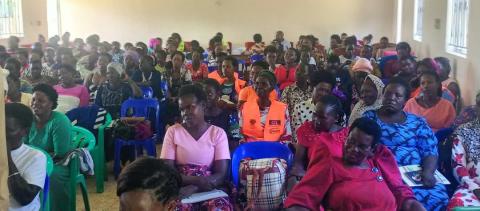
Nakasongola District Launches 5-Day Essential Business Skills Training for Women Entrepreneurs Under the GROW Project
Scores of women entrepreneurs from across Nakasongola District have gathered at Rhino Hotel for the opening session of an intensive, five-day Essential Business Skills Training under the Generating Growth Opportunities and Productivity for Women Enterprises (GROW) Project.
The GROW Project is a Government of Uganda initiative implemented by the Ministry of Gender, Labour and Social Development (MGLSD) in partnership with the Private Sector Foundation Uganda (PSFU) and supported by the World Bank. Designed to transition female-owned enterprises from micro to small, and from small to medium scale, the project equips women with the practical tools, mentorship, and financial access required to scale their businesses.
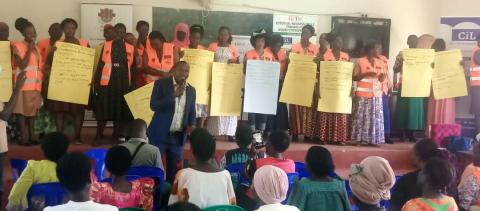
During the opening session at Rhino Hotel, participants engaged in interactive group exercises and presentations aimed at assessing their current business operations and identifying areas for growth. Facilitators guided the entrepreneurs through foundational concepts tailored to local business realities.
Beyond workshop’s instruction, completing the Essential Skills Training positions Nakasongola’s women entrepreneurs to tap into broader GROW Project opportunities, including district-level Women Entrepreneurship Platforms (WEPs) for ongoing mentorship, work placements, competitive grants, and affordable GROW business loans.
By: District Communication Officer
A. POLITICAL STRUCTURE OF A DISTRICT LOCAL GOVERNMENT
This structure provides political leadership and policy direction.
1. District Council
Highest political authority in the district
Composed of:
District Chairperson (LC V)
Elected Councillors (representing sub-counties, women, youth, PWDs)
Functions:
Makes district policies and ordinances
Approves budgets and development plans
Exercises oversight over the executive and administration
2. District Chairperson (LC V)
Political head of the district
Elected by universal adult suffrage
Functions:
Chairs the District Executive Committee
Provides political leadership
Represents the district at national and other forums
Oversees implementation of council decisions
3. District Executive Committee (DEC)
Composed of:
District Chairperson
Vice Chairperson
Secretaries (Portfolio holders e.g. Health, Education, Works)
Functions:
Initiates policies for council consideration
Coordinates political activities
Supervises service delivery
4. Standing Committees of Council
Sector-based committees (e.g. Finance, Social Services, Production)
Functions:
Scrutinize sector plans and budgets
Monitor departmental performance
Report findings to the full council
B. ADMINISTRATIVE STRUCTURE OF A DISTRICT LOCAL GOVERNMENT
This structure handles technical and day-to-day management.
1. Chief Administrative Officer (CAO)
Accounting Officer of the district
Appointed by the Public Service Commission
Functions:
Heads the district public service
Implements council policies
Manages finances and human resources
Advises council on technical matters
2. Deputy Chief Administrative Officer (DCAO)
Assists the CAO
Acts in absence of the CAO
3. Heads of Departments
Each department is headed by a District Officer or Head of Department:
District Education Officer (DEO)
District Health Officer (DHO)
District Engineer
District Production Officer (DPO)
District Planner
District Community Development Officer (DCDO)
District Natural Resources Officer (DNRO)
District Commercial Officer (DCO)
District Internal Auditor
District Information Officer
District Environment Officer
Functions:
Technical planning and implementation
Supervision of lower local governments
Reporting to CAO and council committees
4. Statutory and Support Offices
District Service Commission (DSC)
District Public Accounts Committee (DPAC)
District Procurement and Disposal Unit (PDU)
District Internal Audit
Human Resource Office
Finance Department
C. LOWER LOCAL GOVERNMENTS STRUCTURE
1. Municipal Councils / Town Councils
Headed politically by a Mayor or Town Council Chairperson
Administratively headed by a Town Clerk
2. Sub-Counties
Political head: LC III Chairperson
Administrative head: Sub-County Chief
3. Parishes
Political head: LC II Chairperson
Administrative head: Parish Chief
4. Villages
Political head: LC I Chairperson
D. RELATIONSHIP BETWEEN POLITICAL AND ADMINISTRATIVE ARMS
Political leaders provide policy direction and oversight
Technical staff implement policies professionally
Both arms work together to ensure effective service delivery